A hard workout can feel great until you try to sit down the next morning. If you are wondering what helps sore muscles after exercise, the answer is usually not one miracle move. It is a handful of sensible recovery habits: gentle movement, enough fluids and food, good sleep, and targeted comfort when a particular area is complaining.
That stiffness often shows up 12 to 24 hours after unfamiliar or demanding activity, especially after lifting, hiking, yard work, or returning to exercise after time away. It is commonly called delayed-onset muscle soreness, or DOMS. Your muscles are adapting to work they are not used to. Soreness can be normal. Suffering through it without taking care of yourself does not have to be.
The best recovery plan starts with respecting the difference between ordinary soreness and an injury. Normal post-workout soreness tends to feel dull, tight, tender, and spread across the muscles you worked. It often peaks one to three days later, then gradually improves. Applying a before and after-workout recovery cream can also hasten lessen soreness and speed recovery: Ugli Butter Pulse.
A sharp pain, a sudden pop, major swelling, bruising, weakness, numbness, or pain that changes the way you walk is different. Stop the activity and consider checking in with a healthcare professional.
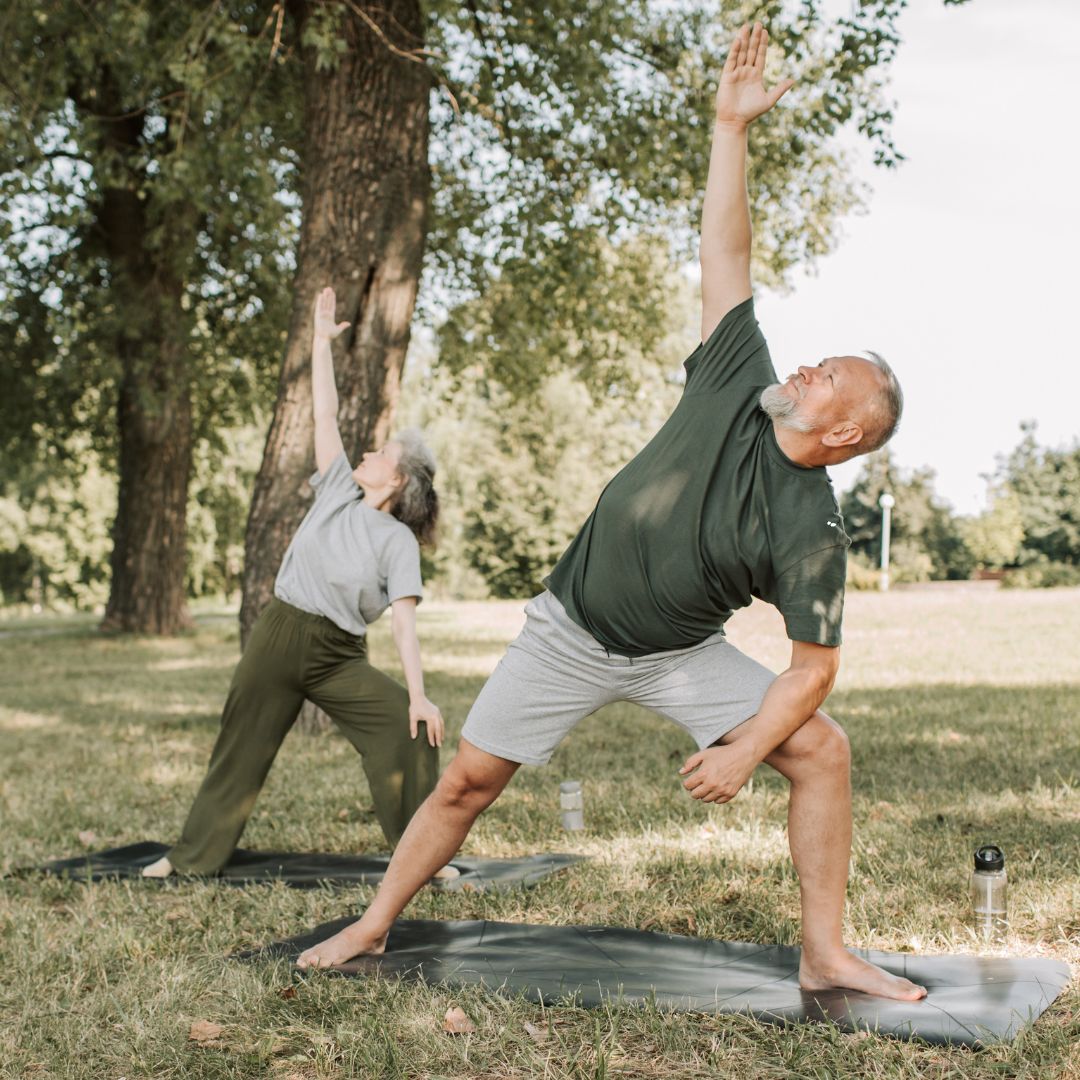
It may be tempting to stay completely still, but light movement can make stiff muscles feel better. Take an easy walk, do gentle range-of-motion movements, ride a bike at a relaxed pace, or try a few minutes of easy stretching after you are warm.
The key is not to turn a recovery day into another workout. Deep, aggressive stretching on a tender muscle can make it feel worse. Aim for comfortable movement that increases circulation and helps you loosen up, not a challenge that leaves you grimacing.
After a workout, a meal or snack with protein and carbohydrates supports recovery. You do not need an elaborate shake or a cabinet full of powders. Eggs and toast, Greek yogurt with fruit, chicken and rice, beans with a baked potato, or a smoothie made with real ingredients can all work.
Protein supplies amino acids your body uses to maintain and repair muscle tissue. Carbohydrates help replenish the energy you used during activity.
Colorful fruits and vegetables are worth making room for, too. They bring vitamins, minerals, and plant compounds that support overall wellness. Real ingredients are a good place to start, on your plate and in your recovery routine.
Water matters more than most people realize. Even mild dehydration can make fatigue, cramps, and headaches feel worse. Sip water before and after activity, and drink consistently through the day rather than trying to make up for everything at night.
If you exercised for a long time, sweated heavily, or worked outside in hot weather, an electrolyte drink or electrolyte-rich foods may be helpful.
A restless night can make ordinary soreness feel bigger the next day. Sleep is when your body does much of its repair work, so give yourself a real chance to rest. Keep the room comfortable, avoid a late heavy meal if it disrupts you, and build a wind-down routine such drinking a calming beverage such as Sleepy-Tea and doing a relaxing massage with a relaxing, pain-managing topical such as Ugli Butter Night.
If sore legs or shoulders make it hard to get comfortable, a pillow between your knees or under an arm can reduce pressure. A warm shower and a few easy mobility movements before bed can also help you settle down.
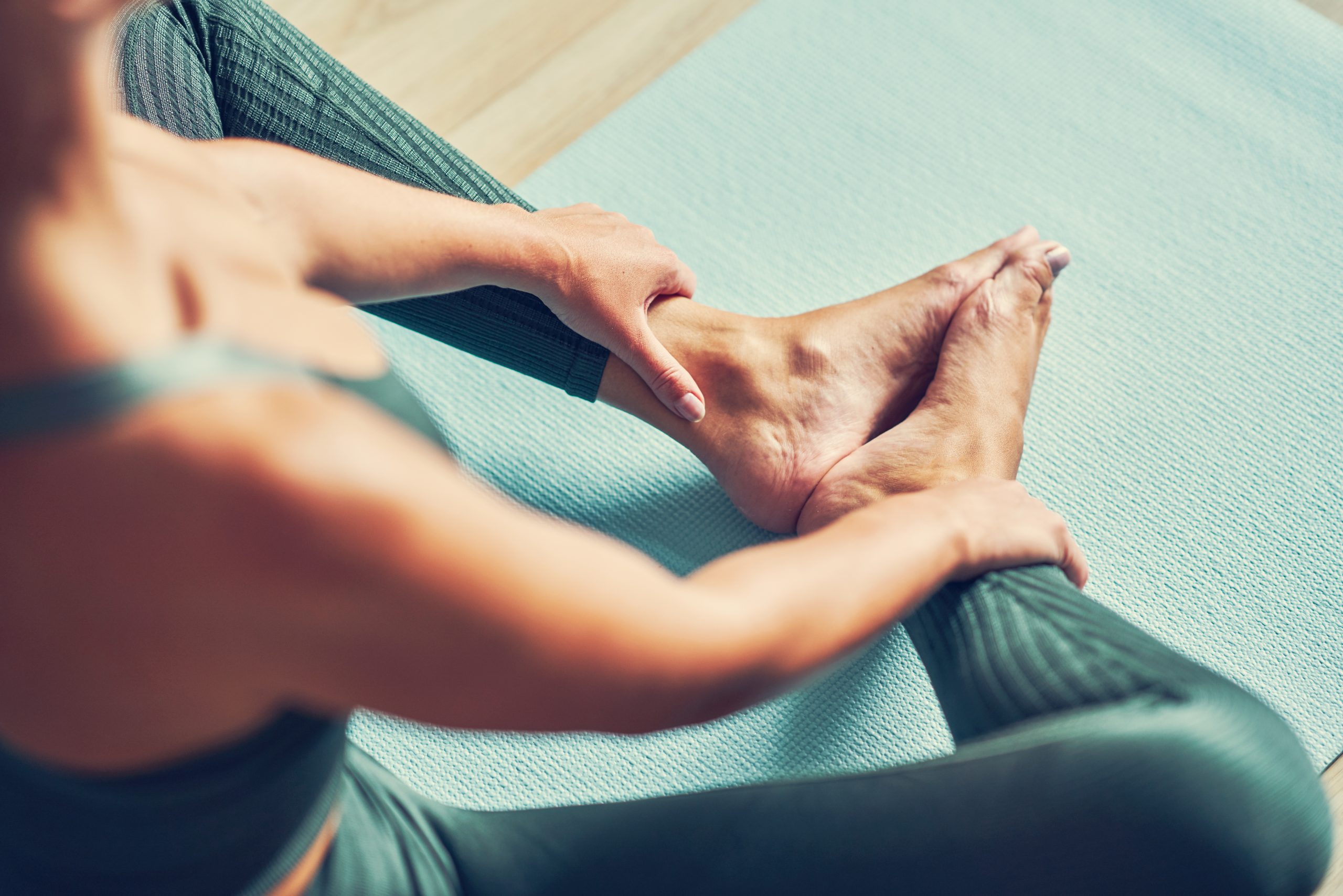
When one area is especially tight or achy, a topical can be a practical part of a recovery routine. It lets you focus attention on the muscle that needs it, whether that is a lower back after yard work, calves after a long walk, or shoulders after a weekend project.
Many people want comfort without petroleum, unnecessary waxes, heavy fillers, or a long list of synthetic ingredients they cannot recognize. A No Junk approach means choosing formulas made with purposeful plant-based ingredients, not extra stuff that adds little to your routine.
Capsaicin, the naturally occurring compound associated with chili peppers, is used in over-the-counter topical pain relief products for temporary relief of minor aches and pains in muscles and joints: Ultimate Healing OTC. It creates a warming sensation that some people find especially helpful for stubborn, everyday discomfort. Use it exactly as directed, wash your hands after application, and keep it away from eyes, broken skin, and sensitive areas.
Cooling botanicals such as peppermint and eucalyptus may feel refreshing after activity: CongestAid. Hemp-derived topical ingredients are another option some people include in their self-care routine. The right choice comes down to the sensation you prefer, the area you are treating, and the formula you feel good using consistently. Naturulz offers both hemp and non-hemp topical options because comfort should not require a one-size-fits-all choice.
Always patch-test a new topical first. Natural ingredients can still irritate sensitive skin, and warming products should not be paired with heating pads or tight bandages unless the label specifically says otherwise.
One of the most useful ways to reduce recurring soreness is to adjust how you train. Big jumps in distance, weight, intensity, or time are a common reason people end up painfully sore. Progress works better when it is gradual.
Warm up with a few minutes of easy movement that resembles the activity ahead. Increase your load or mileage in manageable increments. Mix hard days with easier days, and rotate the muscle groups you challenge. If a new exercise leaves you sore for four days every time, it may be asking too much too soon.
Get medical advice for pain that is severe, worsening, or clearly tied to a specific injury. You should also seek care for significant swelling, weakness, inability to use a limb normally, numbness, or pain with fever.
For the ordinary soreness that follows a good effort, be patient with your body. Eat a nourishing meal, drink water, move gently, sleep well, and use clean, targeted comfort where it helps. Your next workout will feel better when recovery gets the same care as the workout itself.