No products in the cart.


A sore knee after the stairs, a stiff back after yardwork, burning feet at bedtime – discomfort has a way of making ordinary moments feel bigger than they should. A pain cream can be a practical part of your routine when you want targeted, on-the-spot support without coating your skin in petroleum, mystery fillers, or ingredients you cannot pronounce.
But the label matters. Not every topical cream is made for the same kind of discomfort, and a long ingredient list does not automatically mean better relief. Healing is not one-size-fits-all. The right choice depends on where you hurt, what the sensation feels like, how sensitive your skin is, and whether you prefer a hemp or non-hemp formula.
Pain creams are topical products, meaning you apply them directly to the area that needs attention. They are often used for everyday muscle soreness, stiff joints, minor aches, post-activity discomfort, tired feet, and occasional back or neck tension. Because they stay where you apply them, they can fit easily into a morning routine, a post-workout wind-down, or the moments before bed when discomfort tends to get louder.
Some formulas create a cooling or warming sensation that helps distract from discomfort. Others use ingredients that interact more directly with pain signals near the skin’s surface. Some combine both approaches with plant oils and moisturizers that keep skin from feeling dry or greasy.
What a topical cream cannot do is diagnose the reason for your pain or replace medical care when something feels severe, sudden, or unusual. A swollen joint after an injury, numbness that is new or spreading, chest pain, unexplained weakness, or pain that will not let up deserves a conversation with a healthcare professional. Real relief also means knowing when not to push through.
The best formula usually starts with the feeling you want to address, not the biggest promise on the package.
Capsaicin is one ingredient worth understanding. It comes from chili peppers and is used in over-the-counter topical pain products. With regular use as directed, capsaicin can help reduce certain pain signals. It often creates a noticeable warming sensation, especially during the first few uses. Extra Strength Ultimate Healing Cream
That warmth is not for everyone. If you dislike heat or have very reactive skin, a capsaicin cream may take some getting used to. Start with a small amount and wash your hands carefully afterward. Never touch your eyes, face, or other sensitive areas after applying it.
For joint discomfort, consistency matters more than applying a huge amount once. Use only as directed on the product label, and give the routine time to work. Your knees, hands, shoulders, and lower back may each respond differently.
Menthol, peppermint, eucalyptus, and similar botanicals are common in cooling rubs. Their fresh, tingly sensation can feel especially good after a long day on your feet, an intense workout, or an afternoon spent hauling groceries, gardening, or playing with the grandkids. CongestAid, Total Foot Repair
Cooling ingredients are often a good fit when muscles feel overworked rather than stiff. They are not necessarily stronger or weaker than warming options. They simply create a different sensory experience. Some people reach for cooling support during the day and prefer warmth later, when their body is settling down for sleep.
Nerve-related discomfort can feel like burning, tingling, prickling, or an electric sensation. It can also be more complicated than ordinary soreness, so it is wise to check in with your healthcare professional, particularly if symptoms are new or changing.
For a daily foot routine, look beyond the active ingredients. Dry, cracked skin can make feet feel even more miserable. A cream with nourishing plant-based moisturizers can support the skin barrier while you massage tired feet and lower legs. Avoid applying a topical product to open, broken, or irritated skin unless the product instructions specifically say it is appropriate. Ugli Feet + Magnesium, Total Foot Repair
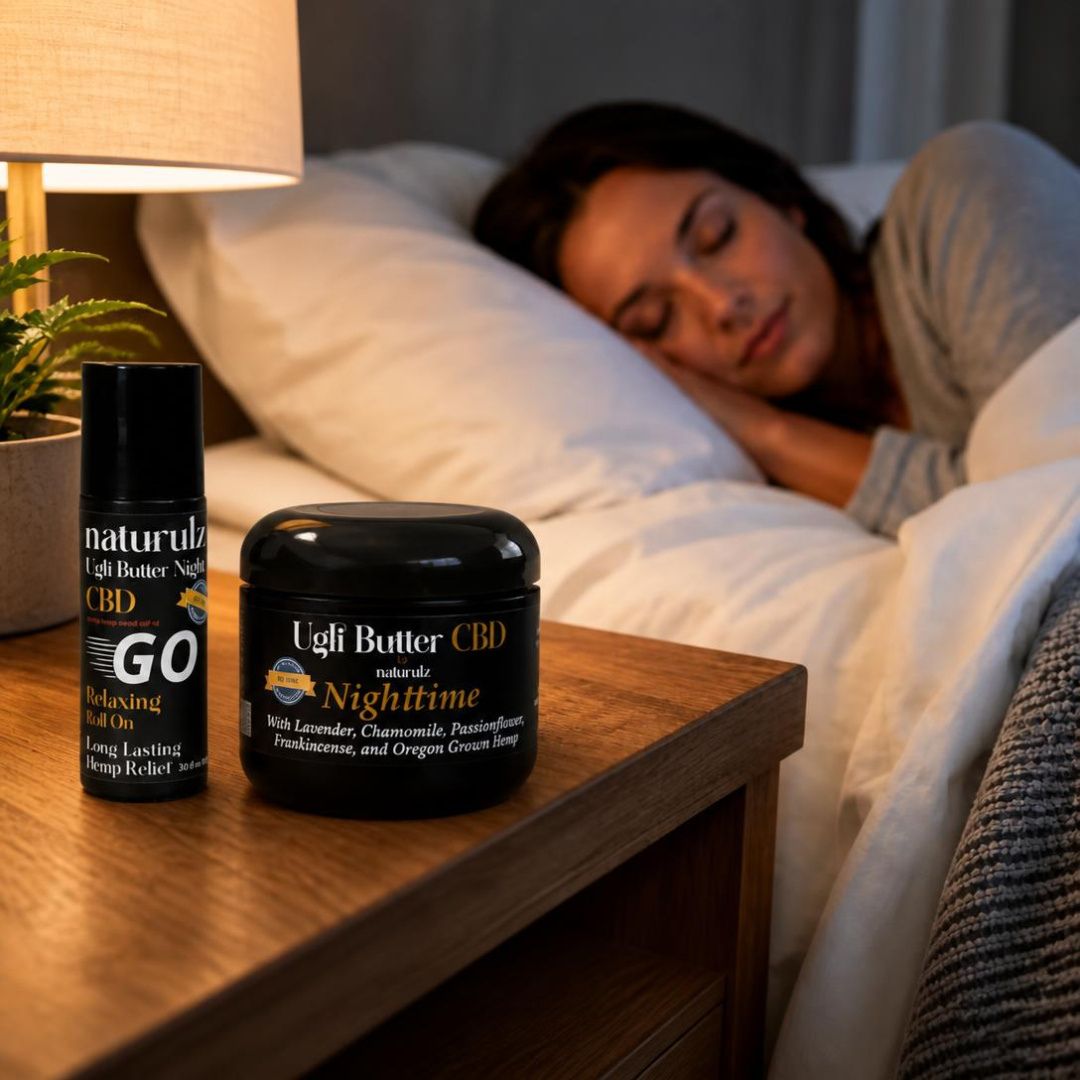
CBD and CBG topicals have become a familiar option for people looking for plant-based comfort. These hemp-derived ingredients are commonly blended into creams with botanicals, oils, and butters. A hemp topical is not the same as taking a hemp product by mouth, and it is not a one-size-fits-all answer. Your experience may depend on the formula, the amount used, your skin, and the type of discomfort you have. Ugli Butter Hemp Bundle
If hemp is not your preference, you still have good options. A thoughtfully made non-hemp cream with capsaicin, cooling botanicals, magnesium, or skin-supporting plant ingredients can be a strong part of a comfort routine. Choice matters. So does feeling good about what you are putting on your body.
The front of a jar may say natural, clean, or plant-based. Turn it around anyway. The ingredient list tells you whether the formula lives up to the claim.
A cleaner pain cream should clearly identify its active ingredients and explain how to use it. You should also be able to recognize the purpose of the supporting ingredients, whether they are plant oils for moisture, botanical extracts for a cooling feel, or butters that help the cream spread smoothly.
Watch for formulas padded with petroleum, unnecessary waxes, synthetic fragrance, or fillers that do little for your skin. A thick cream is not automatically a better cream. Sometimes that heavy, slippery feeling comes from ingredients chosen for low cost rather than comfort.
Naturulz follows a simple standard: No Junk. That means choosing real, plant-based ingredients and leaving out the petroleum and unnecessary filler ingredients that do not belong in a product meant for you and your whole family.
A good coconut oil-based cream works better when you use it with a little care. Apply a small amount to clean, dry skin, then massage it in gently until absorbed. Start small. You can always use more according to the label, but using too much at once may make your skin feel greasy. If this happens, spread the cream out over a wider area and make sure to use less next time.
Do not use a pain cream on cuts, rashes, sunburned skin, or areas that are already irritated. Avoid wrapping the area tightly unless the label says it is safe, and do not add a heating pad over a warming cream. Extra heat can intensify the sensation and irritate the skin.
Wash your hands after application, especially with capsaicin products. If you use the cream on your hands, let it absorb fully and be extra mindful around your eyes. A patch test on a small area can be helpful when trying a new formula, particularly if your skin tends to react to fragranced or botanical products.
Finally, follow the label for frequency and age recommendations. Natural ingredients still deserve respect. If you are pregnant, nursing, managing a medical condition, taking medications, or choosing a topical product for a child, ask a healthcare professional or pharmacist about the ingredients first.
Cream is one piece of the picture. Gentle movement can help stiff muscles and joints feel less locked up. Supportive shoes can make a meaningful difference for tired feet. A warm shower, a few minutes of stretching, hydration, rest, and a more comfortable sleep position can all support the work you are doing with a topical product.
Pay attention to patterns, too. If your lower back flares after sitting, schedule brief movement breaks. If your hands ache after repetitive work, pause before the discomfort becomes overwhelming. If your feet burn every evening, give them a consistent care routine instead of waiting until bedtime to think about them.
The most useful pain cream is the one you will actually use: one with ingredients you trust, a feel you enjoy, and a purpose that matches your everyday needs. Keep it where life happens – by the nightstand, in the gym bag, or near the kitchen sink – and let small moments of care become part of how you look after yourself.
 Optimized by Seraphinite Accelerator