A stinging weed, a tough mountain root, a hooked burr, and a tiny seed with a big reputation may not sound like the start of a wellness routine. Yet nature’s best-kept secrets, part 2 of 5 – nettle, rhodiola, burdock root, and carrot seed – reminds us that plant care often begins with ingredients people once overlooked. Each has a different role, a different method of use, and a place in a practical, No Junk approach to feeling your best.
These are not miracle cures, and healing is not one-size-fits-all. But when you understand what a plant is traditionally used for, how it fits your routine, and when to ask a health professional for guidance, you can make smarter choices for yourself and your whole family.
The real value of botanicals is not in making vague promises. It is in choosing the right plant and preparation for the job at hand. A soothing topical is different from an energizing tea. A root traditionally used for digestion is not interchangeable with an oil used in skin care.
That is why ingredient transparency matters. “Natural” on a label does not automatically mean gentle, useful, or right for you. Look for real ingredients, clear directions, and formulas without petroleum, unnecessary fillers, or synthetic clutter.
Nettle is famous for its sting. The fine hairs on fresh nettle can irritate skin, which is why gloves are a smart idea when harvesting it. Once dried, cooked, or properly prepared, however, nettle has long been used as a nourishing herbal tea and food.
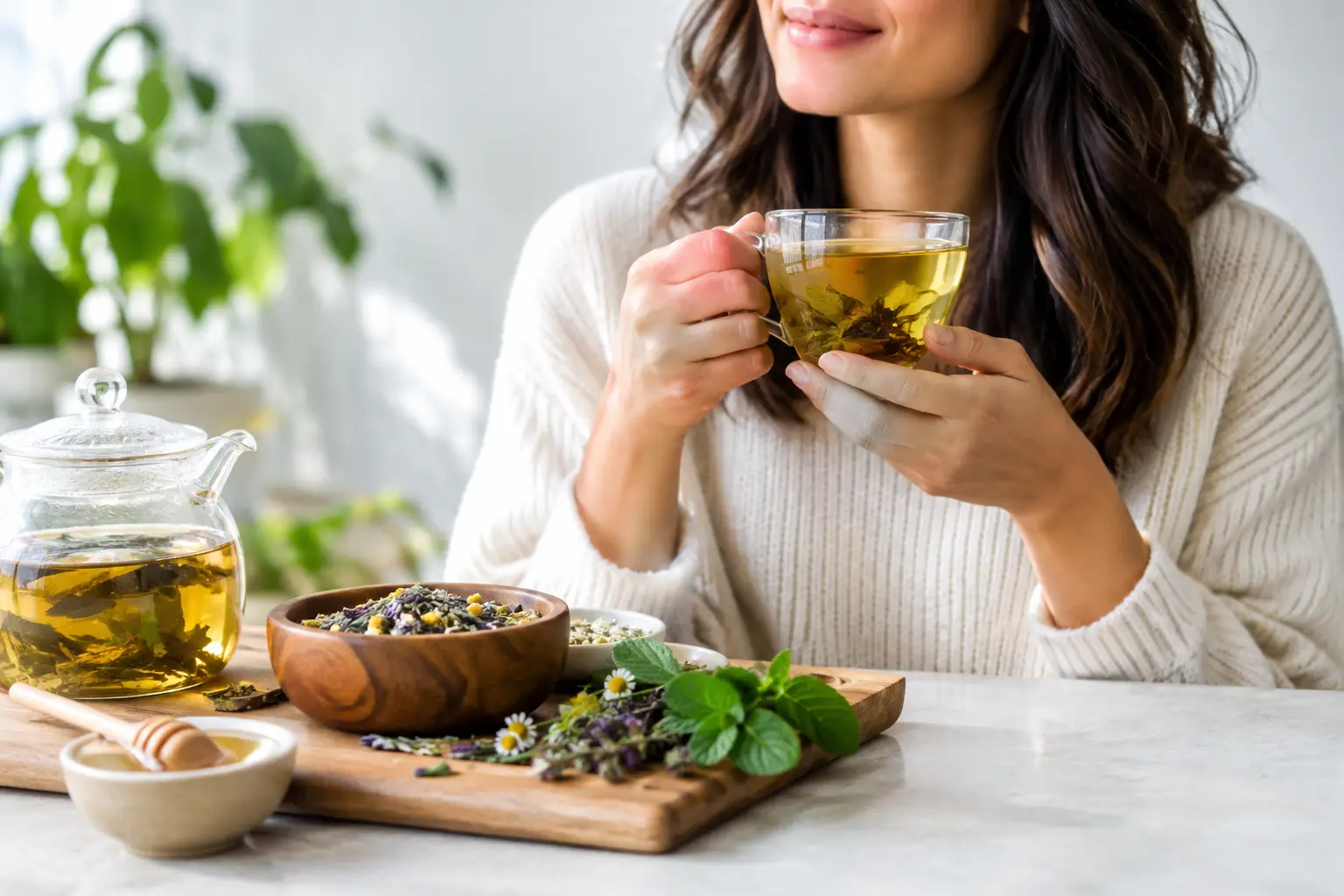
Nettle leaf naturally contains nutrients such as vitamin K and minerals, including iron and magnesium. Many people enjoy it as part of a daily tea routine, especially when they want a simple, earthy herbal cup without artificial flavors. Its flavor is green and grassy, closer to a mild vegetable broth than a sweet fruit tea.
Traditionally, nettle has also been used to support seasonal comfort and general wellness. That does not mean it should replace medical care for persistent allergy symptoms, anemia, or other health concerns. If you take blood thinners, blood pressure medication, diuretics, or diabetes medication, check with your clinician before making concentrated nettle supplements part of your routine. A cup of tea and a high-potency extract are not the same thing.
For most people, nettle fits best as a steady, low-key habit. Brew it, sip it, and pay attention to how you feel. Wellness does not always need to be complicated to be worthwhile.
Rhodiola grows in cold, mountainous regions and has a long history of use in traditional wellness practices. Today, it is often called an adaptogenic herb, a term used for plants studied for their potential role in helping the body respond to physical and mental stress.
The appeal is easy to understand. Some people reach for rhodiola when work is demanding, their focus feels scattered, or everyday fatigue is dragging them down. Research on rhodiola is still developing, and results can vary, but some users report feeling more mentally alert or less worn out during stressful stretches.
Timing matters with this one. Rhodiola can feel stimulating for certain people, so it is usually better earlier in the day rather than before bed. Start low, especially if you are new to herbal extracts. More is not always better, and a product with a sky-high dose is not automatically the smarter choice.
Rhodiola may not be a good fit for everyone. People with bipolar disorder, those who are pregnant or breastfeeding, and anyone taking medications that affect mood or the nervous system should speak with a qualified health professional first. If it makes you feel jittery, restless, or disrupts sleep, that is useful feedback from your body. Stop using it and choose a gentler option.
Burdock is easy to recognize once it goes to seed. Its burrs cling to clothing and pet fur with impressive determination. Beneath the soil, though, is the part most commonly used in wellness traditions: burdock root.
Burdock root has been eaten as a vegetable and used in teas, tinctures, and traditional herbal preparations for generations. Its mild, earthy flavor works well in teas and broths. It is frequently associated with digestive and skin wellness in traditional practices, which is one reason it continues to show up in herbal blends.
You may hear bold claims about burdock “cleansing” the body. Be careful with that language. Your liver and kidneys already do the vital work of processing and removing waste. A balanced diet, hydration, sleep, and appropriate medical care do more for whole-body health than any dramatic cleanse. Burdock can be a welcome part of a thoughtful routine, but it does not need exaggerated promises to earn its place.
If you have allergies to plants in the daisy family, use extra caution with burdock. It is also wise to speak with a clinician if you are managing diabetes, are pregnant, or take regular medications. Choose products that clearly identify the plant part used and avoid mystery blends that hide behind a long list of vague proprietary ingredients.
Carrot seed is often confused with carrot seed oil. They are related but not always the same thing. Carrot seed essential oil is distilled from the seeds of wild carrot, while carrot seed oil may also describe an infused carrier oil. Read the label carefully, because the correct way to use each product is different.
In skin care, carrot seed is valued for its warm, earthy aroma and its place in botanical blends designed to support dry-looking, mature, or weather-stressed skin. It can complement a simple skin routine that focuses on moisture, comfort, and barrier-friendly ingredients.
Essential oils are concentrated. They should not be applied straight from the bottle to skin, and they should not be swallowed. A properly formulated cream, balm, or body oil takes the guesswork out by using skin-appropriate dilution. If you are trying a new botanical topical, patch test first on a small area of skin. This is especially helpful if your skin is sensitive, compromised, or prone to irritation.
Carrot seed is not sunscreen, and no botanical oil should replace broad-spectrum sun protection. It can be part of skin care, but it is not a shortcut around the basics.
The best formula depends on what you need. A tea might be right for a quiet evening ritual or a daily wellness habit. A topical may make more sense when dry skin, tired feet, or sore muscles need direct care. A concentrated capsule may be convenient, but it also calls for more attention to dosage and possible interactions.
When comparing options, look beyond the front-label buzzwords. Ask whether the full ingredient list is easy to understand. Check whether a topical relies on petroleum or unnecessary waxes to create its feel. Notice whether a tea is packed with real herbs or padded out with vague flavoring. Real ingredients should not have to hide.
Start with one new plant product at a time. That makes it easier to tell what agrees with you and what does not. Keep expectations grounded, use products as directed, and give your routine enough consistency to be meaningful. A plant-based product works best as part of everyday care, not as a replacement for diagnosis or treatment when symptoms are severe, sudden, or ongoing.
The most useful wellness habits are often the ones you will actually keep: a warm cup of tea, a little more care for dry skin, a pause before a demanding day, or a better look at what is really in the products your family uses. Nature has plenty to offer when you give real ingredients the attention they deserve.