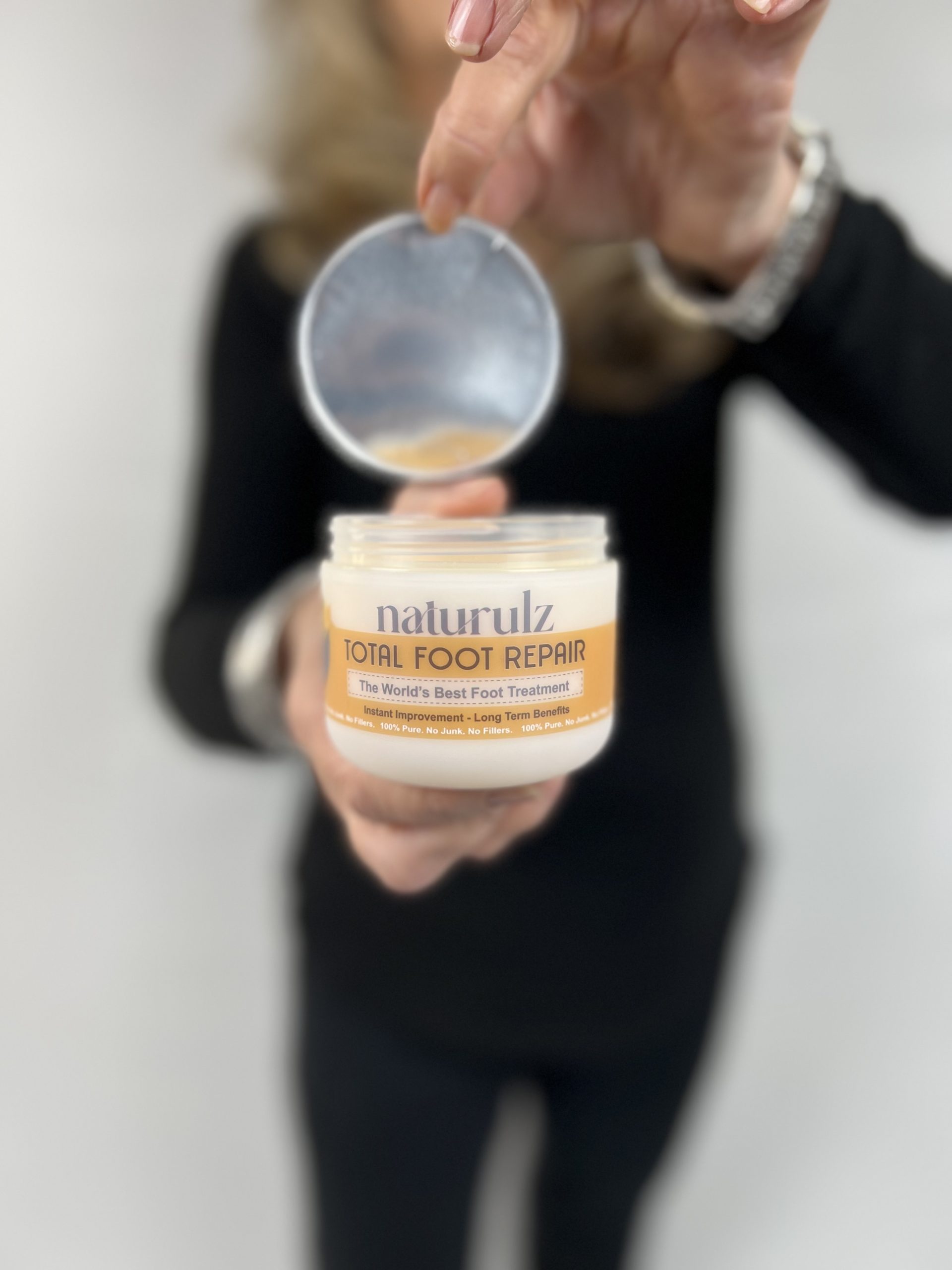
Dry hands are rarely just a cold-weather problem. They can show up after dishes, gardening, cleaning, frequent handwashing, working with paper or tools, or simply living in a dry home. When your skin feels tight, rough, flaky, or uncomfortable, a plant based hand cream for dry skin can be a practical part of getting your hands back to feeling like your own.
But not every cream labeled “natural” is made the same way. Some formulas lean heavily on petroleum, synthetic texture agents, fragrance, or cheap fillers that make a product feel smooth for a moment without giving dry skin much to work with. At Naturulz, we believe real ingredients matter. No Junk allowed.
The skin on your hands works hard. It is exposed more than almost any other part of the body, and it has fewer oil glands than areas like the face or scalp. Every wash, sanitizer application, hot shower, and change in weather can strip away some of the lipids that help keep moisture in and irritants out.
That is why dry hands often need more than a light lotion. A thin, fast-evaporating formula may feel nice at first, but it can leave your skin asking for more 20 minutes later. Hands that are regularly washed, exposed to cold air, or prone to sensitivity often do better with a richer cream that combines moisture-supporting ingredients with plant oils and butters that help soften and protect the skin’s surface.
There is no one-size-fits-all answer. Someone with mildly dry hands in summer may prefer a lighter cream during the day. Someone dealing with rough knuckles, cracked cuticles, or winter dryness may want a thicker balm-like texture, especially before bed.
A good hand cream should do more than sit on top of your skin. Look for an ingredient list that makes sense and puts skin-loving plant ingredients front and center.
Dry skin needs hydration, but it also needs help keeping hydration from disappearing right away. A water-based lotion without enough nourishing oils may evaporate quickly. Plant-based humectants and moisture-supporting ingredients can draw water toward the skin, while oils and butters create a comforting barrier over the top: Skin & Body Wellness.
Ingredient discipline is not a trend. It is common sense, especially when you are applying something to your hands several times a day. If your goal is to care for dry skin, fillers, petroleum, and synthetic-heavy ingredients do not need to be the foundation of your routine.
Choose products made with real, recognizable ingredients and a clear purpose. If you have sensitive skin, fragrance can be another consideration. Even naturally derived essential oils can be too much for some people, particularly when skin is already irritated or cracked. A simpler formula may be the better choice when your hands are feeling reactive.
The right texture depends on when and where you use it. A traditional cream is often the easiest everyday option. It spreads quickly, sinks in at a reasonable pace, and can be applied after handwashing without making everything you touch feel greasy.
A thicker butter is better suited to serious dryness, rough palms, knuckles, and cuticles. It may take longer to absorb, but that can be a benefit when you want lasting comfort. Applying a richer product before bed gives it more time to stay in place while your hands rest.
A balm can be especially helpful for targeted spots. Think dry cuticles, the backs of your hands, small rough patches, or skin that tends to split in cold weather. You do not have to choose only one format. A lighter cream for daytime and a richer plant-based butter at night is a simple routine that works for many families.
Even a great formula has to be used at the right moment. Apply hand cream after washing while your hands are clean and lightly damp, not dripping wet. This gives the cream moisture to work with and helps it spread more evenly.
Keep it where the dryness happens. One by the kitchen sink, one beside the bed, and one in a work bag or car can make regular use much more realistic. Dry-skin care does not have to become another chore. A few seconds after washing your hands or before sleep adds up.
For extra-dry hands, apply a generous layer at night and pay attention to knuckles, fingertips, and cuticles. Soft cotton gloves can help keep product on your hands instead of your sheets, though they are optional. If gloves feel inconvenient, simply give the cream a few minutes to absorb before bed.
It also helps to look at what is drying your hands out in the first place. Use warm rather than very hot water when possible. Wear gloves for cleaning, dishwashing, and garden work. Choose a gentler hand soap if yours leaves your skin feeling squeaky-clean or tight. That stripped feeling is not a sign that your skin is thriving.
Hand cream is excellent for ordinary dryness, but persistent cracking, bleeding, swelling, intense itching, or a rash that does not improve deserves professional guidance. These symptoms can sometimes point to a skin condition, an allergy, or an infection that needs a different approach.
The same goes for painful cracks that interfere with work, sleep, or daily tasks. A plant-based routine can be a comforting part of skin care, but it should not delay needed medical care. Real relief starts with paying attention to what your body is telling you.
The best plant based hand cream for dry skin is the one you will reach for often, made with ingredients you feel good about bringing into your home. It should leave hands soft and comfortable, not coated in a slippery film or surrounded by a cloud of unnecessary fragrance.
Your hands take care of so much every day. Give them a simple, No Junk routine with real plant-based ingredients, a little consistency, and the richer care they need when the weather, work, and washing start to show.