No products in the cart.

A leg cramp can hit without warning: halfway through the night, after a long day on your feet, or just as you settle into the couch. Magnesium cream for leg cramps is a popular option because it gives you something practical to reach for in that moment – a gentle massage, a cooling or warming sensation, and a few quiet minutes to work on a tight muscle.
A cramp is a sudden, forceful muscle contraction that will not release right away. The calf is a common target, especially overnight, but cramps can also show up in the feet, thighs, or hamstrings. They can leave a muscle tender for hours afterward.
Sometimes the cause is clear. You may have done more walking, gardening, standing, or exercising than usual. A hot day, sweating, dehydration, tight shoes, or holding the same position for too long can also set the stage. Age, pregnancy, certain medications, nerve irritation, circulation concerns, and medical conditions can play a role too.
Magnesium matters because it helps support normal muscle and nerve function. Still, that does not mean every cramp points to low magnesium. Many people with nighttime leg cramps have normal magnesium levels.
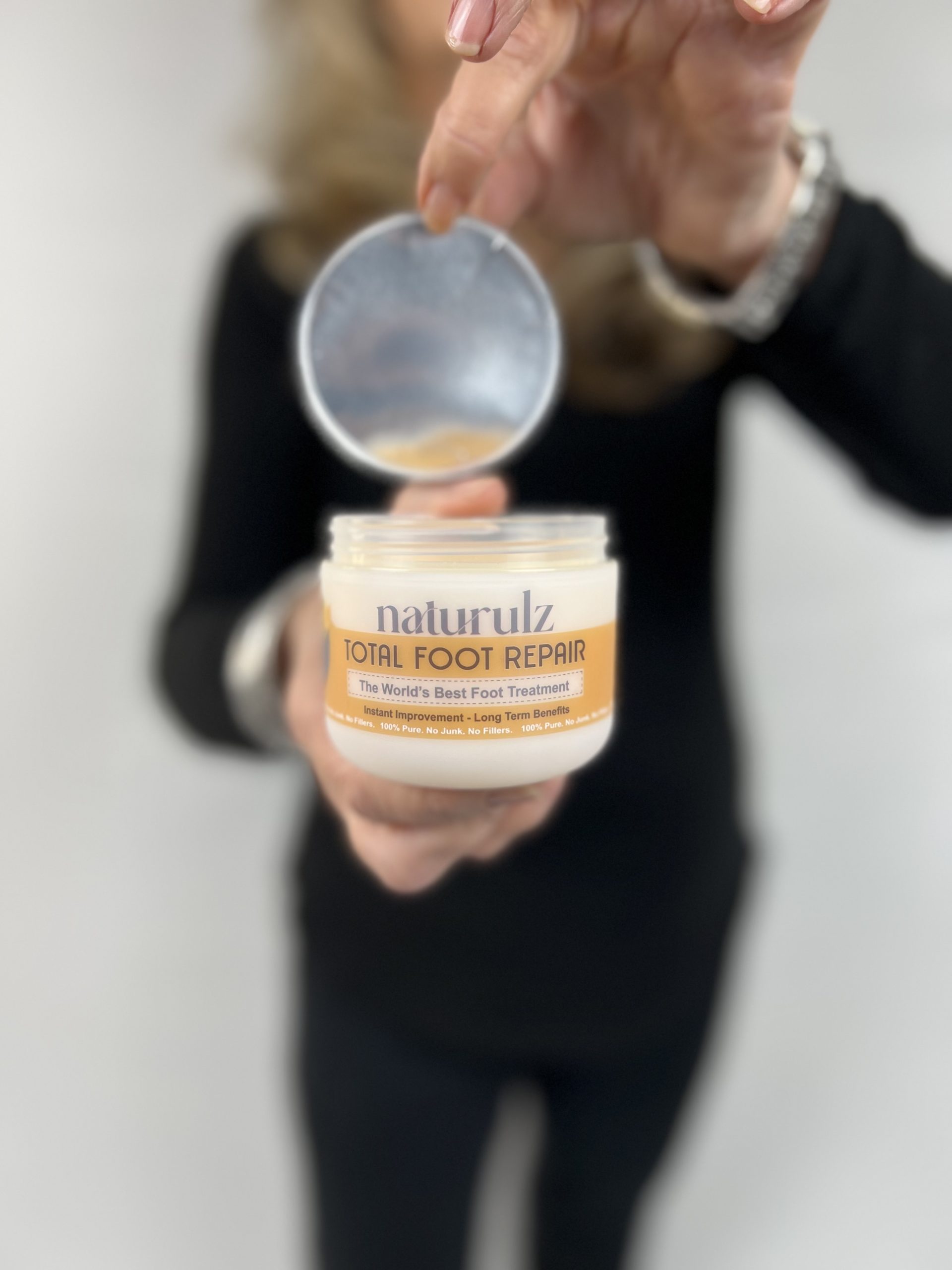
Ugli Feet + Magnesium is applied directly to the skin, usually over calves, feet, thighs, or wherever cramping occurs. The massage itself can be useful. Slowly rubbing a tight area encourages you to pause, stretch, and give an overworked muscle some attention instead of trying to push through the pain.
That can be meaningful. Relief is not always one dramatic ingredient doing all the work. Sometimes it is stretching a calf before bed, drinking enough water, and taking two minutes to massage in a No Junk cream made with ingredients you recognize.
Real Ingredients = Real Relief does not mean making promises nature cannot keep. It means choosing thoughtful ingredients and using them as part of a routine that respects your body.
If a calf cramp wakes you up, start by gently stretching the muscle. For a calf cramp, straighten the leg and slowly pull your toes toward your shin. If you can stand safely, placing your hands against a wall and easing the affected heel toward the floor may help lengthen the muscle. Do not bounce or force the stretch.
Once the sharpest part of the cramp begins to ease, apply a small amount of cream and massage with slow, upward strokes. Work the muscle rather than digging hard into it. Firm pressure can feel good after a cramp, but an aggressive massage while the muscle is still locked may make soreness worse.
For prevention, use the cream as part of an evening routine on the calves and feet, especially after a day of extra activity. Follow the label directions, wash your hands after application, and avoid broken, irritated, or freshly shaved skin. If a formula creates a strong cooling or warming feeling, use less at first and keep it away from eyes and other sensitive areas.
Cream works best when it has company. The most helpful prevention plan is usually made of small, repeatable habits rather than one big fix.
Drink fluids consistently through the day, particularly when it is hot or you are active. If you sweat heavily or have been sick, ask a health professional whether your hydration routine needs more than plain water. Eat a varied diet that includes magnesium-containing foods such as leafy greens, beans, nuts, seeds, and whole grains, unless you have been told to limit these foods.
A few minutes of calf and hamstring stretching before bed may help if your cramps tend to arrive at night. Supportive shoes, gradual changes to activity, and short movement breaks during long periods of sitting or standing can also make a difference.
Most occasional cramps are frustrating, not dangerous. But frequent cramps deserve a closer look, particularly when they interrupt sleep week after week or start after a new medication. Keep a simple note of when they occur, where they occur, activity levels, hydration, and anything that seems to trigger them. That information can help a clinician spot patterns.
Seek prompt medical care for leg pain with swelling, redness, warmth, skin color changes, weakness, numbness, chest pain, or shortness of breath. Get checked if a cramp follows a significant injury, if pain does not ease, or if you have a condition affecting your kidneys, nerves, or circulation. Sudden symptoms in one leg are not something to brush off with a massage.
 Optimized by Seraphinite Accelerator